

Key Points:
- High-Functioning Addiction: Professionals can struggle with marijuana use disorder while maintaining work performance, masking the problem.
- Early Signs Matter: Performance decline, behavioral changes, and dependence symptoms are key indicators of cannabis addiction.
- Specialized Treatment Works: Confidential, evidence-based outpatient programs in Chicago help professionals recover without compromising careers.
Understanding Cannabis Addiction in Professionals
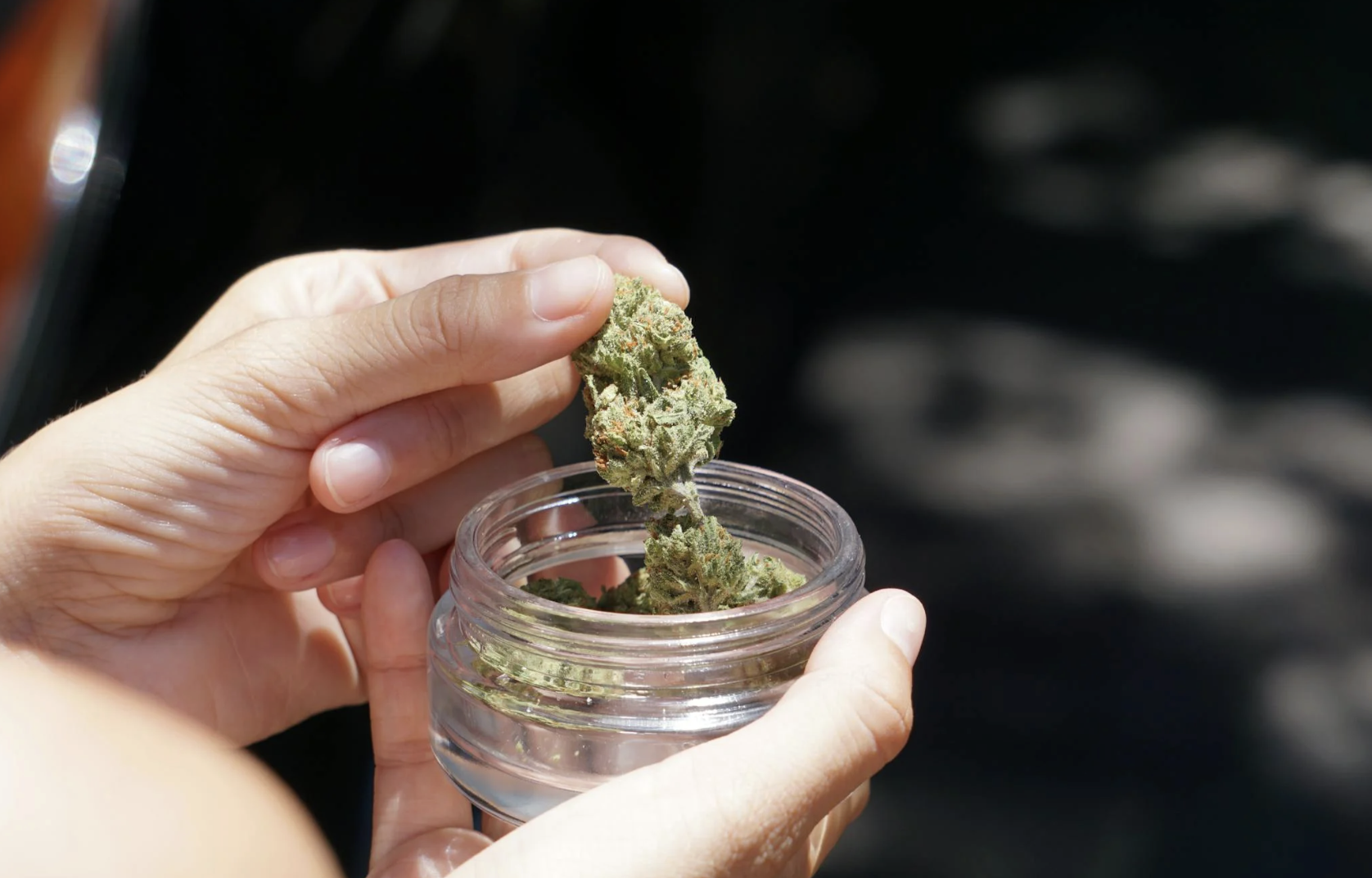
Research shows that cannabis contains several active compounds, most notably THC and CBD, which affect the brain and body in different ways.
Although cannabis is still illegal under federal law, its use has grown quickly due to state legalization, stronger products, and changing public attitudes. Research shows that these trends have led to more cases of cannabis use disorder, which can cause problems with mood, memory, attention, heart health, and daily functioning, especially in teenagers and people with existing mental health conditions.
Marijuana Use Disorder (MUD) can affect anyone, including high-functioning professionals who seem to “manage” their lives while struggling with cannabis addiction.
In Chicago, specialized marijuana use disorder treatment programs for professionals are designed to address the unique challenges of maintaining career performance while achieving recovery. Cannabis addiction in professionals in Illinois often presents as a “high-functioning” addiction.
A person may still perform at work but experience:
- Performance Decline: Missed deadlines, decreased productivity, and unexplained absences.
- Behavioral Changes: Irritability, mood swings, and withdrawal from colleagues or responsibilities.
- Physical & Cognitive Symptoms: Poor memory, impaired concentration, lack of motivation, and chronic bloodshot eyes.
- Dependence Symptoms: Using more than intended, unsuccessful attempts to quit, and using cannabis in high-risk situations, including before or during work.
Studies indicate that cannabis users develop cannabis use disorder, with higher risks for individuals who start using cannabis in adolescence or use it frequently. Over time, many develop tolerance and require higher THC concentrations to achieve the desired effects.
Research shows that recreational products available today often contain 22% THC on average, and some concentrates can reach up to 45%, increasing the risk of dependence.

Signs of Cannabis Use Disorder
Cannabis use disorder may be indicated by patterns such as:
- Consuming more cannabis than intended.
- Repeated unsuccessful attempts to reduce or stop use.
- Spending a significant amount of time obtaining, using, or recovering from cannabis.
- Experiencing strong cravings or urges to use cannabis.
- Continuing use despite problems at home, school, or work.
- Persisting in cannabis use even when it causes social or relationship difficulties.
- Giving up important hobbies, activities, or responsibilities in favor of using cannabis.
- Using cannabis in high-risk situations, such as while driving.
- Continuing use despite physical or psychological health issues.
- Developing tolerance, needing increasingly larger amounts to achieve the desired effect.
Individuals with cannabis use disorder may also face additional challenges, including difficulties with attention, memory, and learning.
Why Professional Marijuana Addiction Requires Specialized Care
For professionals, the stakes are high. Careers in medicine, law, business, and other high-pressure fields demand consistent cognitive performance and reliability. Therefore, our weed addiction rehab program emphasizes:
- Confidentiality: Protecting licensure and professional reputation.
- Flexibility: Outpatient schedules compatible with work obligations.
- Evidence-Based Treatment: Using therapies proven to reduce cannabis dependence while maintaining professional functioning.

Components of a Cannabis Use Disorder Outpatient Program
Cannabis use disorder outpatient programs in Illinois focus on personalized care and high accountability. Common elements include:
- Intake & Professional Assessment: Comprehensive evaluation including psychiatric history, cannabis use patterns, and work-related impacts.
- Group Therapy: Specialized groups providing professionals a safe space to process, reflect and gain valuable insight into their personal journey.
- Evidence-based therapies such as Cognitive Behavioral Therapy (CBT): Builds coping skills, stress management, and relapse prevention strategies tailored to high-pressure environments.
- 12-Step Facilitation: Peer support programs like Marijuana Anonymous provide accountability and community.
Professional Marijuana Addiction Treatment in Illinois
For professionals, treatment often includes additional supports:
- Peer-Based Recovery: Leveraging programs like physician health programs (PHPs) to reduce stigma and isolation.
- Focus on Withdrawal: Addressing symptoms like insomnia, irritability, and anxiety without compromising work performance.
- Strict Confidentiality: Ensures doctors, lawyers, and executives can seek help safely.
Example: Cannabis Addiction Treatment Plan for Professionals
- Attend weekly individual therapy sessions.
- Participate in a 12-step or professional peer support group.
- Establish clear goals for abstinence and relapse prevention.

Early Intervention is Key
Prompt treatment improves outcomes for both personal and professional life. Professional marijuana addiction Illinois programs aim to restore cognitive function, work performance, and overall well-being while preventing further impairment.
If you are searching for “confidential cannabis rehab programs near me, Chicago programs,” our programs are designed specifically for professionals, offering tailored, evidence-based interventions to help you manage cannabis dependence. Contact us today to get started.

FAQs
1. What is marijuana use disorder (MUD)?
Marijuana use disorder, or cannabis use disorder, is a condition where cannabis use causes significant problems in daily life, work, or relationships. Individuals may struggle to stop using despite negative consequences, experience cravings, or develop tolerance requiring higher amounts of THC.
2. How do I know if I have cannabis use disorder?
Signs include using more cannabis than intended, unsuccessful attempts to quit, spending excessive time using, cravings, continuing use despite personal or professional problems, giving up important activities, and using in risky situations like driving. Research shows these behaviors often affect attention, memory, and learning.
3. Can professionals still maintain their careers while seeking treatment?
Yes. Professional marijuana addiction programs in Illinois are designed for high-functioning professionals. Treatment schedules are flexible, confidential, and focused on maintaining career performance while supporting recovery.
4. What does a cannabis use disorder outpatient program involve?
Programs often include:
- Intake & assessment of cannabis use and work impacts
- Specialized group therapies
- Evidence-based therapies such as Cognitive Behavioral Therapy (CBT) for coping and relapse prevention
- Contingency Management (CM) with rewards for verified abstinence
- 12-Step Facilitation or professional peer support groups
5. How long does treatment typically last?
A typical intensive outpatient program (IOP) lasts about 6-12 weeks, with roughly 9-25 hours of treatment per week. Programs include structured sessions, monitoring, and drug testing to support abstinence while fitting around work schedules.
6. Is treatment confidential for professionals?
Yes. Confidentiality is a cornerstone of professional-focused programs, helping doctors, lawyers, executives, and other high-stakes professionals seek care without jeopardizing licensure or professional reputation.
7. Why is early intervention important?
Prompt treatment improves both personal and professional outcomes. Early intervention helps restore cognitive function, prevent further impairment, and reduce the long-term risks associated with cannabis use disorder.
